
How To Choose The Best Concealer For Dark Circles?
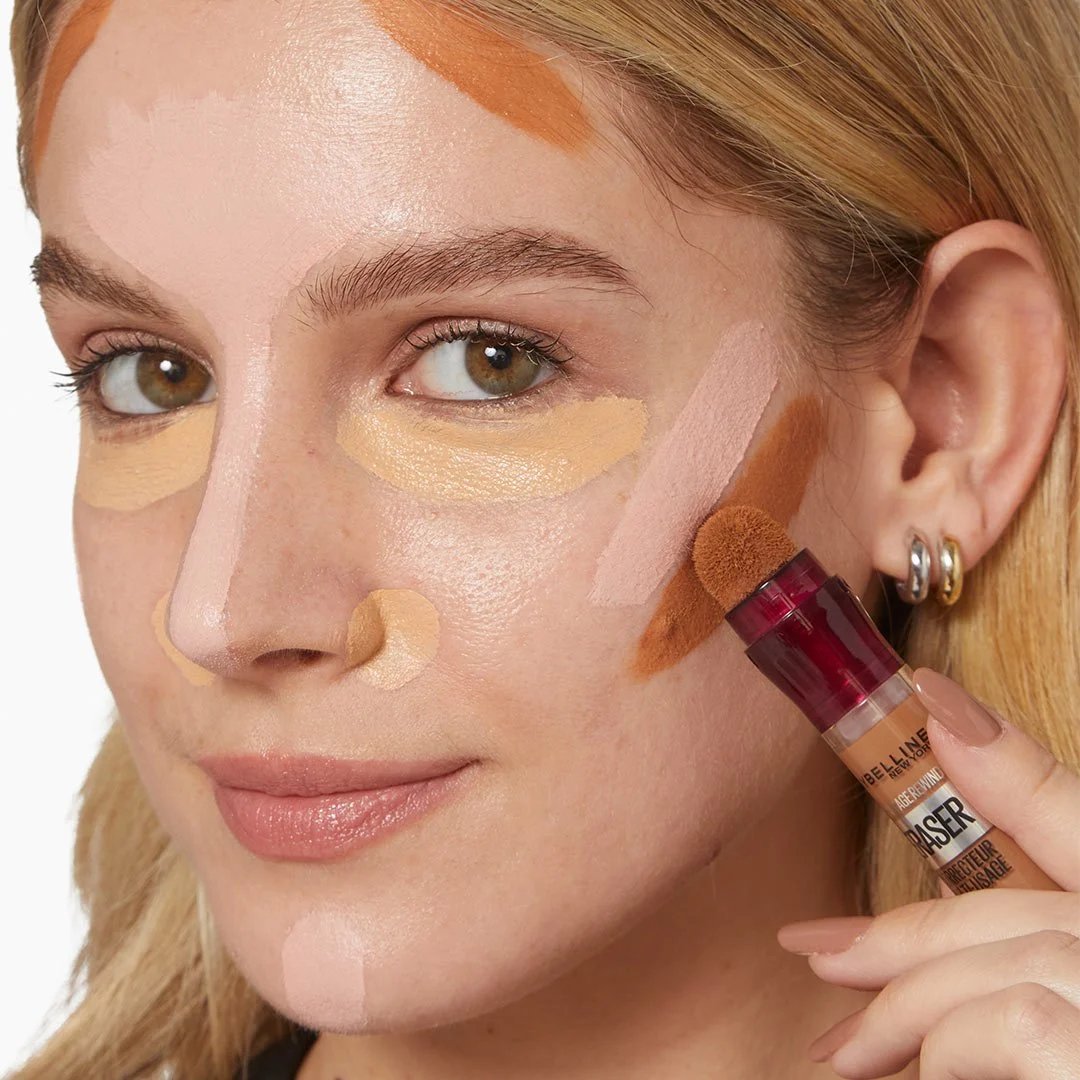
The best concealer for dark circles is one that matches your complexion while providing enough coverage to neutralize the appearance of under-eye discoloration. For mild dark circles, concealer alone may be enough. For more visible blue, purple or brown-looking circles, using a peach or orange corrector first can help create a more even-looking base.
From choosing the right shade to learning how to use concealer for dark circles without a grey or cakey finish, this guide breaks down the techniques that can help your under-eyes look brighter, smoother and more refreshed.
In This Article:
- How Do You Choose The Right Concealer Shade For Dark Circles?
- How Can You Cover Different Types Of Dark Circles?
- What Is The Best Concealer For Dark Circles?
- How To Apply Concealer For Dark Circles? Quick Step-By-Step Guide
- Key Takeaways About Best Concealers For Dark Circles
- Frequently Asked Questions About Best Concealers For Dark Circles
How Do You Choose The Right Concealer Shade For Dark Circles?
Knowing about the different concealer shades can help you narrow down the search for the best concealer for dark circles. For under-eyes, it is recommended to choose a concealer that is one or two shades lighter than your complexion. This is crucial if your goal is to brighten and camouflage dark circles. For blemishes, a shade matching your skin tone is generally more appropriate.
Your corrector shade is a separate consideration:
|
Skin Tone |
Corrector To Consider |
Concealer Approach |
|
Fair To Light |
Peach |
One to two shades lighter for brightening |
|
Light-Medium To Medium |
Peach or warm peach |
A complexion-complementing brightening shade |
|
Medium-Deep |
Peach-orange or orange |
A warm-toned brightening concealer |
|
Deep |
Orange for stronger discoloration |
A warm concealer that complements your complexion |
How To Use Concealer For Dark Circles?
Not all dark circles look the same, so your makeup approach can change depending on the discoloration you see.
For Mild Dark Circles
Use a small amount of concealer without a color corrector. Concentrate it around the inner corner and areas where the shadow is most noticeable.
For Blue Or Purple-Looking Dark Circles
A peach corrector can help neutralize the appearance of blue or purple tones before you apply concealer. Keep the corrector layer thin so your final concealer shade remains natural-looking.
For More Pronounced Brown-Looking Discoloration
Color correction can help before concealing. Choose the corrector according to your complexion, then apply a complexion-complementing concealer over it.
The key across all three is the same: target the discoloration instead of covering the entire under-eye with heavy layers.
What Is The Best Concealer For Dark Circles?
The best concealer for dark circles depends on the intensity and appearance of your dark circles, your skin tone and undertone, and the level of coverage you want. Maybelline offers a range of concealers designed to suit different coverage needs and makeup preferences, making it easy to find an option for your dark-circle routine.
For dark circles and fine lines, Maybelline Instant Age Rewind Concealer is a standout choice. It's a super-concentrated treatment concealer that features Goji Berry and Haloxyl, helping instantly erase the appearance of dark circles and fine lines, leaving the eye area looking radiant and refreshed. Additionally, its micro-corrector applicator is designed for precise application around the delicate under-eye area.
If you prefer natural-looking, everyday coverage, Maybelline Fit Me Concealer is another option for covering dark circles along with redness, flaws and blemishes. Its oil-free formula is fragrance-free and non-comedogenic, making it suitable for everyday wear.
How To Apply Concealer For Dark Circles? QuickStep-By-Step Guide
Knowing how to apply concealer for dark circles can make as much difference as choosing the right shade. Follow these steps for smooth, natural-looking coverage.
Step 1: Prep The Under-Eye Area
Apply your regular skincare and allow it to absorb before starting your makeup.
Step 2: Apply Corrector If Needed
For blue, purple or deeply pigmented dark circles, tap a small amount of peach or orange color corrector onto the darker areas.
Step 3: Apply Concealer
Apply a small amount over the corrected areas, focusing on the inner corner and deepest areas of darkness rather than the entire under-eye.
Step 4: Blend By Tapping
Gently tap with your fingertip, sponge or brush. Avoid dragging the product across the skin.
Step 5: Build Coverage Gradually
If darkness remains visible, add another thin layer instead of applying too much product at once.
Step 6: Set If Needed
If your concealer creases, lightly set the areas that need it with a small amount of setting powder. Avoid excessive powder, especially on dry or textured under-eyes.
Dark circles don't have to dictate your makeup look. With a little precision and the right concealer, you can create a brighter-looking eye area that complements your complexion and feels effortless. Whether you are getting ready for a busy workday or a night out, let your base makeup work with your skin, not hide it.
If you still have inhibitions, try out an advanced Virtual Try-On tool to check out all face makeup, eye makeup, and lip makeup shades virtually. Confused about the right foundation shade as well? Try out the Foundation Shade Finder tool to find the right foundation match online. Bottom of Form
Key Takeaways About Best Concealers For Dark Circles
- Choose a concealer one to two shades lighter for brighter-looking under-eyes.
- Use peach or orange corrector based on your complexion and dark-circle tone.
- Apply concealer only where darkness is visible for a natural finish.
- Build coverage gradually to avoid a cakey or heavy look.
Frequently Asked Questions About Best Concealers For Dark Circles
Why does concealer look grey on dark circles?
Concealer can look grey when the shade is too light or dark-circle discoloration has not been neutralized. Try a peach or orange corrector first, followed by a concealer that complements your complexion.
How can I prevent concealer from creasing over dark circles?
Apply thin layers of corrector and concealer, blend well, and tap away excess product before setting. If needed, use a small amount of setting powder rather than layering on more concealer.
Can I cover dark circles with concealer without using foundation?
Yes. Apply concealer only over the areas where dark circles are visible, blending the edges into your skin. This creates targeted coverage while allowing the rest of your complexion to look natural.
Should I match under-eye concealer with my foundation shade?
Not necessarily. For dark circles, an under-eye concealer can be one to two shades lighter than your complexion to brighten the area, while your foundation should closely match your skin tone for an even base.
What concealer shade cancels dark circles without looking orange?
Use a peach or salmon-toned corrector for fair to medium skin, and an orange or orange-red corrector for medium-deep to deep skin. Apply a thin layer only on the darkest areas, then add a complexion-matching concealer on top so the under-eyes look neutral, not orange.


