How To Know Your Skin Tone?
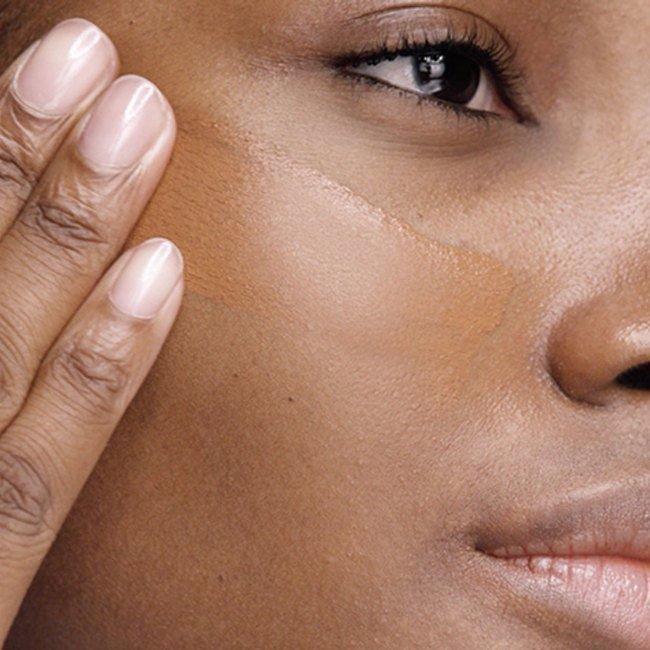
Ever noticed how makeup shades look perfect in the bottle but completely off on your skin? The secret lies in your skin tone. Your skin tone silently decides which colours enhance your glow and which ones dull it down. Once you uncover yours, every beauty choice starts to make sense, and nothing feels like guesswork anymore. Read our guide on how to know your skin tone and unlock the way to a flawless makeup finish.
How To Know Your Skin Tone: Quick Guide
- Natural Light: Check your bare face in daylight for the truest skin colour.
- Sun Reaction: Burning = fair/light; tanning = medium/deep skin tone.
- White Fabric Test: Reveals whether skin appears pinkish, golden, or deeper.
What Is Skin Tone?
Your skin tone refers to the natural colour of your skin’s surface. It’s what you see when you look in the mirror: fair, light, medium, tan, or deep. Learning how to know skin tone is essential because it stays relatively consistent, even though it may tan or lighten slightly with sun exposure or seasons.
Types Of Skin Tone
Wondering how to know my skin tone’? The good news is, once you understand the basics, identifying it becomes effortless. Skin tone is generally classified into five broad categories:
- Fair: Very light skin that burns easily and rarely tans
- Light: Light complexion with slight tanning ability
- Medium: Balanced tone that tans gradually
- Tan/Olive: Golden or olive hue that tans easily
- Deep: Rich, darker complexion with high melanin content
How To Identify Your Skin Tone?
If you are trying to figure out how to find my skin tone, start with these simple, proven methods:
- Natural Light Test: Look at your bare face in daylight. This gives the truest read of your skin colour.
- Sun Reaction Test: Think about how your skin behaves in the sun. Burning easily often indicates fair or light skin, while tanning easily suggests medium to deep tones.
- White Fabric Test: Hold a white cloth near your face. If your skin looks pinkish, you may be fair or light; golden or brown hues suggest deeper tones.
Many people also search for ways to find my skin tone, and these methods work universally. These steps make this journey practical and reliable
Tips For Success When Identifying Your Skin Tone
- Always assess your skin in natural daylight
- Avoid judging skin tone when you’re tanned or sunburnt
- When you choose makeup for your skin tone, test shades on your jawline, not your hand
- Re-check seasonally if needed, but remember your core tone remains the same
How To Know Your Skin Tone and Undertone: A Clear Comparative Analysis
Understanding how to know your skin undertone and skin tone is essential for choosing the right makeup, clothing colours, and even hair shades. While these two terms are often used interchangeably, they mean very different things. This comparative analysis will help you clearly identify both without confusion.
Skin Tone vs Undertone: At a Glance
|
Aspect |
Skin Tone |
Undertone |
|
What it is |
The visible colour of your skin’s surface |
The subtle hue beneath the skin |
|
Changes over time |
Can change with sun exposure, tanning, or seasons |
Remains constant throughout life |
|
Common categories |
Fair, Light, Medium, Tan/Olive, Deep |
Warm, Cool, Neutral |
|
Why it matters |
Helps pick shade depth (foundation, concealer) |
Helps pick shade family (yellow, pink, golden) |
When you finally find your skin tone, selecting makeup products becomes easy - foundation looks seamless, colors enhance your features, and your overall look feels more polished. Whether you are trying to find your skin tone for makeup, fashion, or skincare, this knowledge sets the foundation for smarter beauty choices.
If you still have confusion regarding your skin tone and undertone, try out an advanced Virtual Try-On tool to check out all face makeup, eye makeup, and lip makeup shades virtually. Try the Foundation Shade Finder tool to find your perfect foundation makeup online.