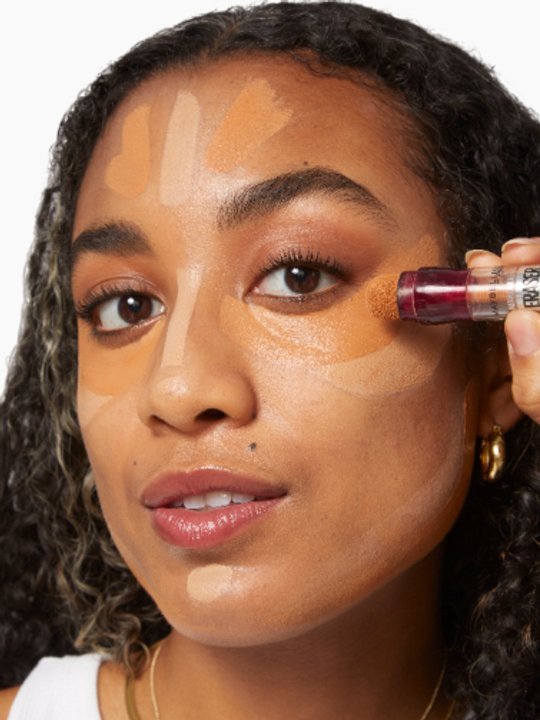
Why Does Your Foundation Oxidize?

Foundation oxidizes when its pigments react with oxygen, your skin's natural oils, sweat, or other external factors after application. While some color change is normal, the right skincare routine, application technique, and foundation formula can help your makeup stay fresher and truer to its original shade for longer. Read on to learn more about why does foundation oxidize and how to prevent it.
In This Article:
Why Does Foundation Oxidize?
Foundation oxidation is a natural process where foundation gradually changes color after it's applied. If you have searched for foundation oxidize meaning, it simply refers to this shift in shade-typically becoming darker, warmer, or slightly orange over time.
Oxidation doesn't necessarily mean your foundation is poor quality. It happens because pigments in the formula interact with oxygen as well as your skin's natural oils, sweat, and environmental conditions. Some formulas oxidize more noticeably than others, while individual skin type and climate can also influence how much the color changes.
What Causes Foundation To Oxidize On Skin?
If your foundation seems to oxidize on skin, several factors could be contributing to it.
Excess Oil Production
Sebum can interact with foundation pigments, making the color appear darker as the day goes on. This is why oxidation is often more noticeable on oily or combination skin.
Skincare Underneath
Heavy moisturizers, facial oils, or sunscreen that hasn't fully absorbed may affect how foundation wears throughout the day.
Weather & Humidity
Heat, sweat, and humidity can cause makeup to break down faster, making oxidation more noticeable.
Foundation Formula
Every foundation uses a different blend of pigments and ingredients. Some formulas naturally experience a slight color shift after application.
Incorrect Shade Selection
If your foundation is already slightly too warm or dark, even mild oxidation can make the mismatch more obvious.
How Can You Tell If Your Foundation Has Oxidized?
Oxidation doesn't happen immediately, it develops gradually after application. Here are a few signs to look for:
- Your foundation looks darker than when you first applied it.
- Your face appears warmer or more orange than your neck.
- Your makeup loses its fresh, natural appearance after a few hours.
- The shade matched perfectly at first, but changes throughout the day.
Pro Tip: When selecting a new foundation, apply it along your jawline and wait 20 - 30 minutes before deciding if it's your perfect shade. This gives the formula enough time to settle and reveal any noticeable oxidation.
How Can You Stop Foundation From Oxidizing?
While oxidation is a natural process, the right prep, application, and touch-up routine can help minimize noticeable color changes and keep your foundation looking fresh for longer.
Let Your Skincare Fully Absorb
Applying foundation immediately after skincare can affect how it sits on your skin. Allow your moisturizer and sunscreen a few minutes to absorb before applying foundation, especially if you have oily or combination skin. This creates a smooth base makeup and improves the overall makeup wear.
Choose a Primer That Works for Your Skin Type
Primer creates a smoother canvas between your skin and foundation while helping improve makeup wear. If you have oily skin, a mattifying primer can help manage excess shine. For normal to dry skin, a hydrating or dewy primer helps foundation glide on more evenly and maintain a fresh-looking finish.
Match Your Foundation Formula to Your Skin Type
Not every foundation performs the same on every complexion. Matte formulas are often preferred for oily skin as they help control excess shine, while hydrating or natural-finish foundations can be a better choice for normal to dry skin. Choosing a foundation formula suited to your skin type can help your foundation wear more evenly and reduce noticeable colour changes.
Build Coverage in Thin Layers
Applying several thin layers instead of one heavy coat helps foundation blend more seamlessly into the skin. It also reduces the chances of makeup looking patchy, separating, or becoming uneven as the day goes on. Start with a small amount and build coverage only where needed.
Blot Oil Before Touching Up
If your complexion becomes shiny, avoid applying more foundation straight away. Instead, use blotting papers or a tissue to remove excess oil first, then touch up only where necessary. This prevents product buildup, helping your makeup maintain a smoother, more even appearance.
Choose Your Shade With Patience
One of the easiest ways to avoid disappointment is to let your foundation settle before deciding if it's the right match. Apply it along your jawline and wait 20 - 30 minutes before checking the shade in natural light. Since foundation oxidizes gradually, this gives you a more accurate idea of how it will look throughout the day.
Pro Tip: Always compare your foundation to both your face and neck in natural daylight. Indoor lighting can make a shade appear lighter or warmer than it actually is, making oxidation more noticeable once you step outside.
Now that you know why foundation oxidizes, you can take simple steps to help your makeup stay true to its original shade for longer. If you are unsure whether oxidation or an incorrect shade is causing the mismatch, try the Foundation Shade Finder Tool to find a shade that closely matches your skin tone. You can also try the advanced Virtual Try-On tool to explore different face makeup, eye makeup, and lip makeup shades before you buy.
Key Takeaways On Foundation Oxidation
- Foundation oxidizes when its pigments react with oxygen, skin oils, sweat, and environmental factors after application.
- Oily skin, humid weather, rich skincare, and certain foundation formulas can make oxidation more noticeable.
- Wait 20 - 30 minutes after applying foundation before deciding whether the shade is the right match.
- Proper skin prep, primer, and thin layers of foundation can help reduce visible oxidation.
- Selecting a foundation suited to your skin type can help your makeup look fresh and even for longer.
Frequently Asked Questions About Foundation Oxidation
How do I know if my foundation is oxidizing or if I picked the wrong shade?
A foundation that's too dark or warm looks mismatched immediately after application. If it matches your skin at first but gradually becomes darker over the next few hours, it's likely oxidizing rather than being the wrong shade.
Why does my foundation look perfect when I apply it but turn orange later?
Many people search "why does foundation oxidizes" after noticing this change. As foundation interacts with oxygen, natural oils, sweat, and environmental factors, the pigments can gradually appear darker or warmer than when first applied.
Can skincare or sunscreen make my foundation oxidize faster?
Yes. Rich moisturizers, facial oils, or sunscreen that hasn't fully absorbed can affect how foundation wears. Let your skincare absorb completely before applying foundation to help achieve a smoother, more even-looking finish.
Why does my foundation oxidize more on my nose or T-zone?
The nose and T-zone usually produce more oil than other parts of the face. This excess sebum can cause foundation pigments to change color faster, making oxidation more noticeable in those areas.
Does using a primer completely stop foundation from oxidizing?
No. Primer won't completely prevent oxidation, but it creates a smoother base between your skin and foundation. It can also help control excess oil and improve makeup wear, reducing noticeable color changes throughout the day.