Lipstick Formulation: The Art And Science Behind Every Perfect Swipe
When we think about lipstick, the first thing that comes to mind is the shade - whether it’s a bold red, a soft nude, or a vibrant fuchsia. But have you ever wondered what gives a lipstick its smooth glide, intense colour payoff, and long-lasting wear? It’s the careful blend of waxes, oils, pigments, and ingredients that work behind the scenes. At the heart of this process lies the lipstick formulation, i.e., the structural foundation that defines texture, payoff, and durability. Understanding how lipstick is made not only helps you comprehend this process but also enables you to choose the right finish for every mood and moment.
| Lipstick Formulation – Key Ingredient | Example | User Benefit |
|---|---|---|
| Waxes | Beeswax, Carnauba, Candelilla | Offers structure and stability that helps prevent melting and smooth application |
| Oils & Butters | Castor oil, Jojoba, Shea butter | Ensures the lipstick glides smoothly and feels comfortable for soft, nourished lips |
| Pigments | Iron oxides, Titanium dioxide | Provides colour and coverage for rich, even colour payoff |
| Film-Formers | Acrylates, Silicone resins | Ensures longevity for optimal smudge and transfer resistance |
| Additives | Vitamin E, Fragrance | Provides freshness, safety, and comfort |
What Are The Key Ingredients In Lipstick Base Formulation?
Every lipstick formulation packs a carefully balanced blend of key ingredients. This includes:
Waxes For Structure & Stability
Waxes are an integral component of any lipstick base formulation, which gives it its solid form and prevents it from melting or breaking too easily.
- Beeswax adds flexibility and creaminess
- Carnauba wax increases hardness and heat resistance
- Candelilla wax provides a smooth glide
The ratio of hard and soft waxes in the lipstick base formulation controls firmness, melting point, and payoff.
Oils & Butters For Glide & Comfort
The following ingredients make the lipstick formulation feel comfortable, hydrating, and non-dragging during application.
- Oils such as castor oil, jojoba oil, coconut oil, and sunflower oil dissolve pigments and allow them to spread evenly across the lips
- Butters like shea and cocoa butter add nourishment and softness
Pigments & Colourants For Shade & Intensity
Pigments give lipstick its colour and coverage. Mineral pigments like iron oxides provide reds, browns, and yellows, while titanium dioxide adds opacity and brightness. Proper blending of pigments in the lipstick base formulation ensures smooth, streak-free colour.
Film-Formers For Longevity & Transfer Resistance
Film-forming agents help the lipstick adhere to the lips and resist smudging, fading, or transferring. These are especially important in long-wear and liquid matte lipstick formulations, where durability is a key performance goal.
Additives For Performance Enhancers
Antioxidants like vitamin E protect oils from oxidation, preserving freshness. Preservatives ensure product safety, while fragrances and flavour oils improve sensory appeal. Some lipstick base formulations also include plumping agents or soothing ingredients like aloe or chamomile.
Types of Lipstick Finishes & How Formulation Shapes Them
The magic of lipstick formulation lies in its ability to adapt the same core ingredients into multiple finishes by adjusting ratios and ingredient types.
Creamy Matte Lipstick
The creamy matte lipstick blends soft waxes and hydrating oils in its lipstick formulation to deliver a velvety matte look that still feels smooth and comfortable on the lips.
Ultra-Matte Lipstick
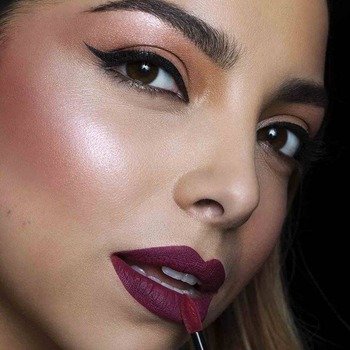
Ultra-matte lipsticks rely on a firmer lipstick base formulation with higher wax content to hold shape and deliver intense colour payoff.
Liquid Matte Lipstick
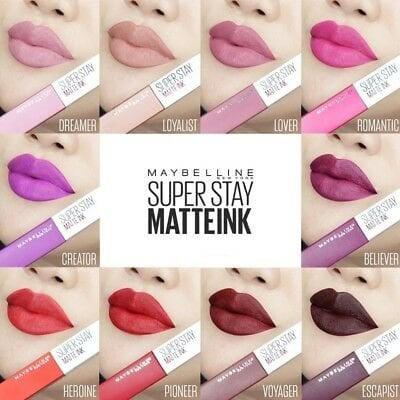
Liquid mattes use a specialised lipstick formulation with film-forming agents that set into a thin, long-wearing layer.
Crayon Lipstick
Crayon lipsticks combine ease and precision with a balanced lipstick base formulation that offers both glide and durability.
Vinyl Lipstick
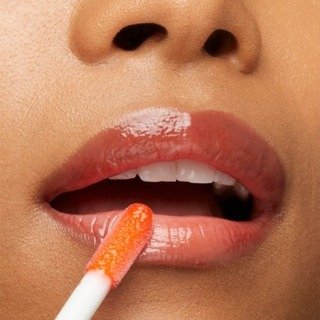
Vinyl lipstick finishes rely on a glossy lipstick formulation with shine-enhancing film-formers that create a lacquered effect.
Now that you are aware of the types of lipstick finishes, this is one thing ticked off your list. So, let’s move to another struggle that most of us face – how to choose a lipstick shade that complements you the most? Don’t worry, we’ve got you covered. Solve the dilemma by trying out all the lip colours online, from red lipstick shades to brown lipstick shades and more with the Virtual Try-On tool where you can experiment with different products virtually and finalise your eye makeup, face makeup or lip makeup, from the comfort of your home, without spending a single penny. Additionally, to find out your ideal foundation shade match, answer a few questions on the Foundation Shade Finder tool and look the best from the rest!