Complete Guide on Types Of Makeup Brushes and Uses
Makeup brushes help you apply, blend and define makeup with greater control. Different types of makeup brushes serve different purposes: a foundation brush creates an even base, a fluffy powder brush sets makeup, and blending and angled brushes help refine eye looks. This guide to makeup brush names and uses explains how to choose the right brush for your face, eyes and lips, apply products effectively, and care for your brushes.
In This Article:
Different Types of Makeup Brushes (Quick Overview)
Here is a quick overview of the different types of makeup brushes and their uses.
Makeup Brush Name | Purpose | How To Use It |
Foundation brush | Applies and blends foundation | Blend in small strokes from the centre of the face outward. |
Concealer brush | Provides targeted coverage | Tap and blend around the under-eyes and blemishes. |
Powder brush | Applies setting or finishing powder | Sweep lightly over the areas you want to set. |
Blush brush | Adds colour to the cheeks | Apply gradually and blend the edges. |
Contour brush | Defines facial features | Place contour strategically and blend the edges. |
Highlighter brush | Adds glow to selected areas | Sweep lightly over the cheekbones and other high points. |
Stippling brush | Blends liquid and cream products | Stipple lightly and blend gently. |
Kabuki brush | Applies or buffs complexion products | Use gentle circular or pressing motions, depending on the product. |
Flat eyeshadow brush | Places eyeshadow on the eyelids | Press or pat colour onto the lid. |
Blending brush | Softens eyeshadow edges | Use light back-and-forth or circular motions. |
Crease brush | Adds depth to the eye crease | Place eyeshadow in the crease and blend. |
Angled eyeliner brush | Applies gel eyeliner or defines brows | Use short, controlled strokes. |
Smudger brush | Softens eyeliner and eyeshadow | Gently blend along the lash line. |
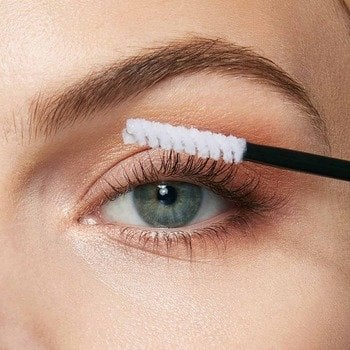
Eyebrow brush and spoolie | Grooms and defines eyebrows | Brush hairs into place and fill sparse areas if desired. |
Lip brush | Applies lipstick precisely | Outline the lips and fill them in with short strokes. |
What Are The Different Types Of Makeup Brushes And Their Uses?
Let’s take a look at the different types of brushes and understand how to use them for the desired finish.
1. How Do You Use Face Makeup Brushes For A Smooth, Blended Base?
Here are the names of brushes for makeup application on face.
Foundation Brush
- How Does It Look? Flat, slightly tapered brush with dense bristles, similar to a paintbrush.
- Purpose: Used to apply cream and liquid foundation.
- How To Use Foundation Brush?
How to apply foundation with a brush? Dot foundation all over the face, then take the brush and swipe the product in an outward and downward motion. Build coverage as needed. Now you can tick off one item from your ‘how to use a makeup brush’ query list.
Concealer Brush
- How Does It Look? Small, rounded or flat brush, compact to reach under eyes and blemishes.
- Purpose: Helps blend concealer under your eyes for a natural finish.
- How To Use A Concealer Brush?
Dot concealer on the areas you want to correct and conceal. Blend it out in an upward motion for a creaseless finish.
Powder Brush
- How Does It Look? Big, fluffy, dome-shaped brush.
- Purpose: A soft, fluffy powder brush is perfect for setting your face, enabling you to evenly distribute the powder on your face, without clinging to the dry patches. Also, ideal for applying blush and bronzer.
- How To Use Powder Brush?
Dip the brush in your product and dust off the excess powder. Now, gently buff the powder across your face for an even finish.
Highlighter Brush (Fan Brush)
- How Does It Look? It has a fanned-out shape.
- Purpose: Next in the list of names of brushes for makeup comes the highlighter brush, aka the fan brush. It helps evenly distribute powder highlighter across the high points of your face.
- How To Use The Highlighter Brush?
Load some highlighter on your fan brush and sweep it lightly on the high points of your face.
Contour Brush
- How Does It Look? Its bristles are diagonal, allowing it to cover the natural curves of the face.
- Purpose: Helps enhance your natural facial structures and define cheekbones, jawline, and nose.
- How To Use Contour Brush?
Pick up the angled brush with contour powder/cream and glide it under cheekbones and blend upwards. Repeat the process along the jawline and sides of the nose for definition.
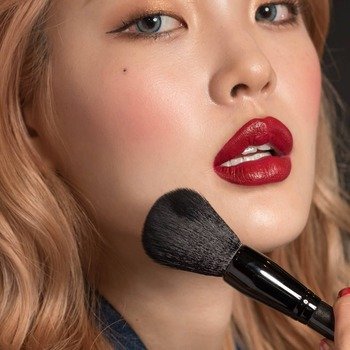
Blush Brush
- How Does It Look? Fluffy, rounded brush, smaller than powder brush.
- Purpose: Wondering about the blush makeup brush use? It allows you to create a natural-looking flush of color on cheeks.
- How To Use The Blush Brush?
Dip the brush into blush, tap off any excess, smile, and apply to the apples of your cheeks. Blend upward toward your temples.
Stippling Brush
- How Does It Look? It’s a tightly packed brush with comes with two different fibre lengths.
- Purpose: While searching for the names of brushes for makeup, you must have come across a stippling brush. Its unique structure helps create a light, airbrushed look with cream or liquid product formula.
- How To Use A Stippling Brush?
Dip into foundation, blush, or bronzer and stipple (tap) lightly onto skin, then swirl in circular motions to blend perfectly.
2. How Do You Use Eyeshadow Brushes For Defined And Blended Eye Looks?
Take a look at the names of the brushes for makeup used for eye makeup.
Blending Brush
- How Does It Look? It is slightly domed shape and has densely packed bristles.
- Purpose: Perfect for blending your base colours and matte shades.
- How To Use Blending Brush?
Use a blending brush in gentle circular or windshield-wiper motions to soften harsh lines and create a seamless transition between eyeshadow shades.
Flat Brush
- How Does It Look? Small, flat, paddle-like brush.
- Purpose: Perfect for picking up pigments and applying your glitter eyeshadows or halo eyeshadow looks.
- How To Use Flat Brush?
Dip the brush into the product and press onto the eyelid using patting motions. Build colour intensity by layering.
Angled Eyeliner Brush
- How Does It Look? Thin, angled brush.
- Purpose: To line with gel liner to create sharp eyeliner styles or define brows with accuracy.
- How To Use Angled Eyeliner Brush?
Dip into gel liner or brow pomade and apply short, accurate strokes along lash line or brow arches.
Smudger Brush
- How Does It Look? Small, dense, rounded brush.
- Purpose: To create soft eyeliner look or smoky eye makeup.
- How To Use Smudger Brush?
Apply product near the lash line and smudge back and forth softly for a smoky look.
3. How Do You Use Lip Makeup Brush For Perfect Pout?
- How Does it Look? Small, firm, tapered brush with a pointed tip.
- Purpose: For applying lipstick or gloss with control and accuracy.
- How To Use To Lip Makeup?
Pick up product on the brush, define your lips delicately, and fill in with smooth strokes for a smooth finish.
Which Makeup Brushes Do Beginners Really Need?
If you are new to makeup, start with a small collection of versatile brushes rather than purchasing a large set immediately.
- Foundation Brush: For applying and blending foundation.
- Concealer Brush: For targeted coverage.
- Powder Or Blush Brush: For applying powder and adding colour to the cheeks, depending on the brush design.
- Flat Eyeshadow Brush: For placing eyeshadow on the eyelids.
- Fluffy Blending Brush: For softening eyeshadow edges.
An angled brush is a useful addition if you regularly use gel eyeliner or brow pomade. A fan brush, specialised contour brush and lip brush are optional extras rather than universal essentials.
And there you have it! A guide packed with common names of brushes for makeup. Get your hands on these makeup tools and take inspiration from these makeup tips and looks.
In case you have some doubts selecting a particular face makeup, eye makeup, or lip makeup product, you can try the Virtual Try On tool to test out these products virtually without any commitment. You can also utilise the Foundation Shade Finder tool to find the correct shade match for your foundation.
Key Takeaways About Different Types Of Makeup Brushes And Uses
- Face brushes apply and blend foundation, concealer, powder, blush, contour, and highlighter.
- Eye brushes help apply, blend, and define eyeshadow and eyeliner.
- Detail brushes offer precision for brows, lips, and smaller areas.
- Choose brushes based on the formula, bristle type, shape, and desired finish.
- Clean makeup brushes regularly to remove product buildup and maintain their performance.
Frequently Asked Questions on Makeup Brushes and Uses
What are the different types of makeup brushes?
Makeup brushes are grouped into face, eye, and detail categories, with each brush designed to apply, blend, or define makeup for a specific finish. Common types include foundation, concealer, powder, blush, contour, highlighter, stippling, kabuki, flat eyeshadow, blending, crease, angled eyeliner, smudger, eyebrow and lip brushes.
How do you choose a makeup brush?
Choosing the right makeup brush depends on whether you’re applying liquid, cream, or powder makeup, along with the bristle type, brush shape, and size needed for your desired coverage, precision, and finish.
How do you use a crease brush?
A crease brush applies eyeshadow to the fold of the eyelid to add depth and dimension. Use small amounts of colour, blend gently back and forth, and soften the edges with a fluffy blending brush.
How do you use an eyebrow brush?
Use the spoolie to groom brow hairs into place, then apply brow powder or pomade with the angled end using short, hair-like strokes. Brush through again to soften harsh lines and blend colour.
How do you use a kabuki brush?
Pick up a small amount of compatible foundation, powder or bronzer with the kabuki brush. Use gentle circular or pressing motions, depending on the product and brush design, and build coverage gradually.